CHM 5810 Bioanalytical Chemistry
This course will combine an overview of standard bioanalytical methods with an advanced study of recent literature on related topics. The first two-thirds of the course will be devoted to such topics. Standard methods such as enzyme assays, biosensors, separations, and nucleic acid analysis will be covered alongside more modern techniques such as next-generation sequencing, digital PCR, proximity assays, microfluidics, and fluorescence microscopy. During this portion, pairs of students will be assigned to review articles, will turn in a written review, and will lead the in-class discussion on these articles. The final third of the course will be devoted to formal student presentations (via Power point slides) on a bioanalytical research project design. Overall, students will become more comfortable with reading bioanalytical literature and will reach a new level of insight regarding the advantages and limitations of each technique discussed. These approaches will enhance the students’ judgment in choosing methods for their own research.
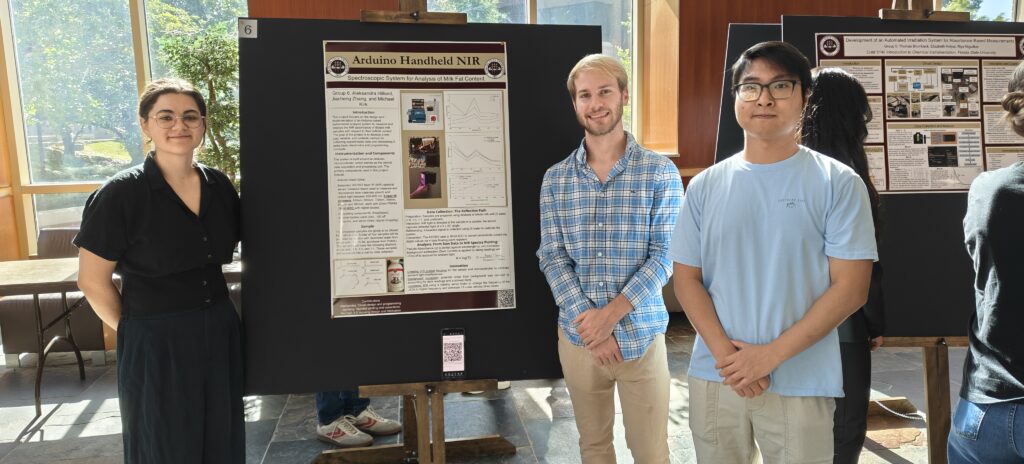
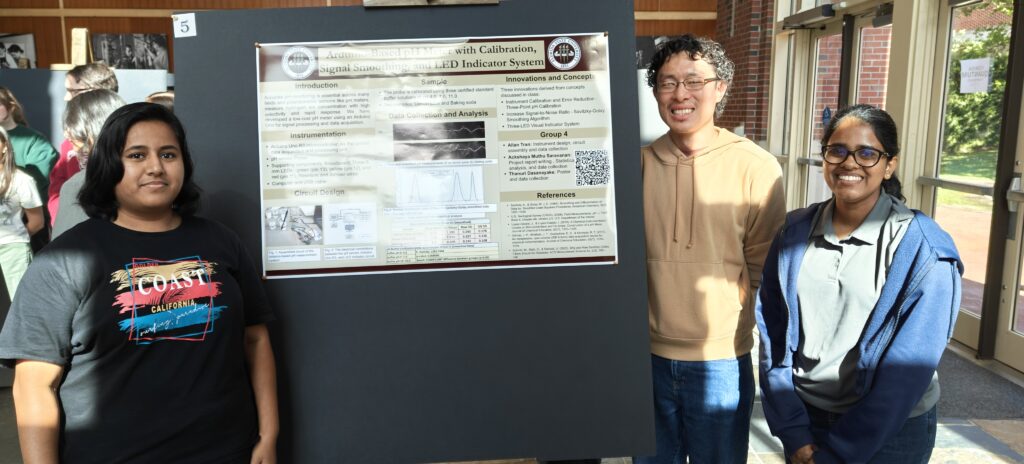
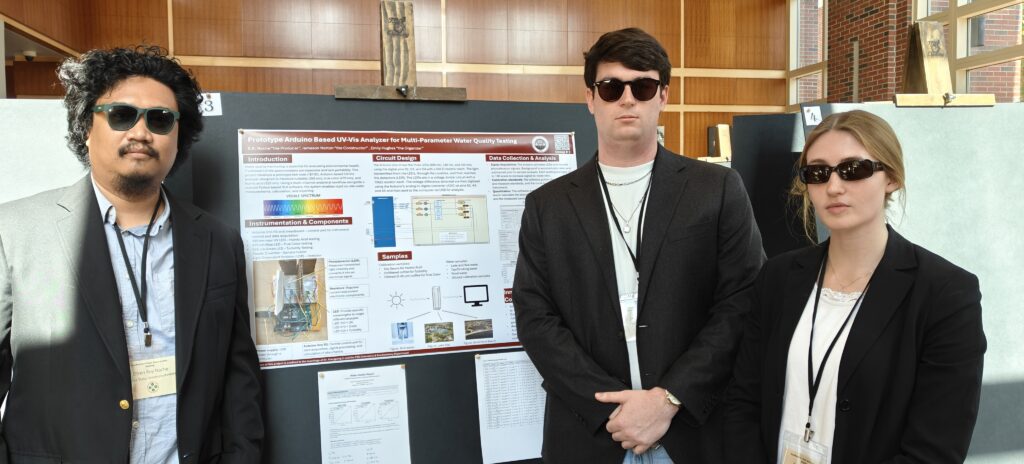
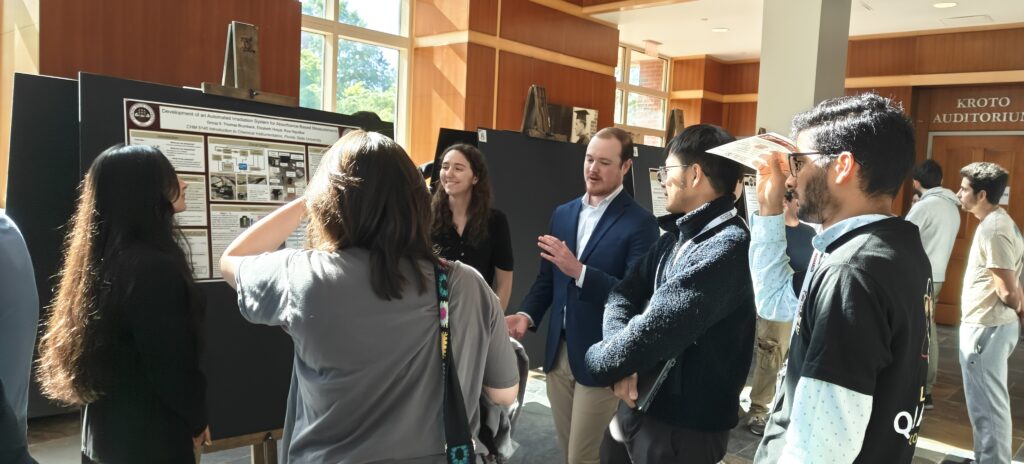
CHM 5140 Introduction to Instrumental Analysis
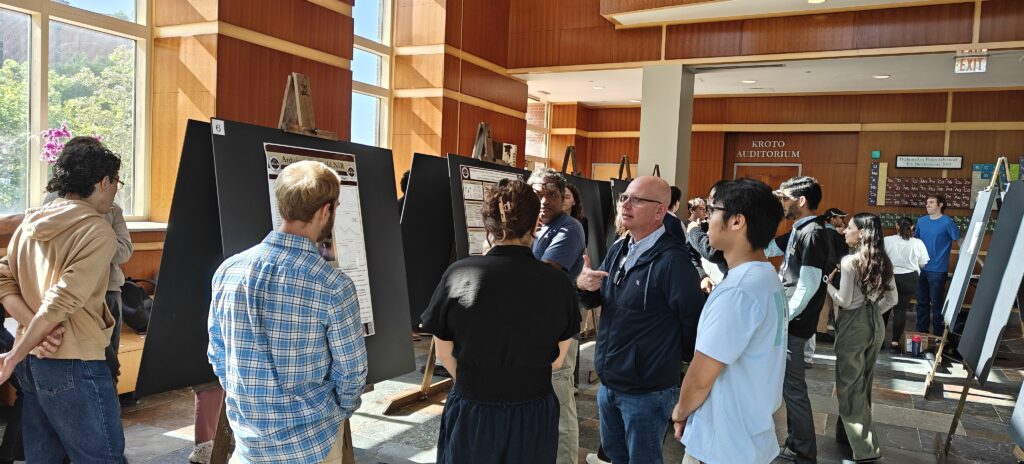
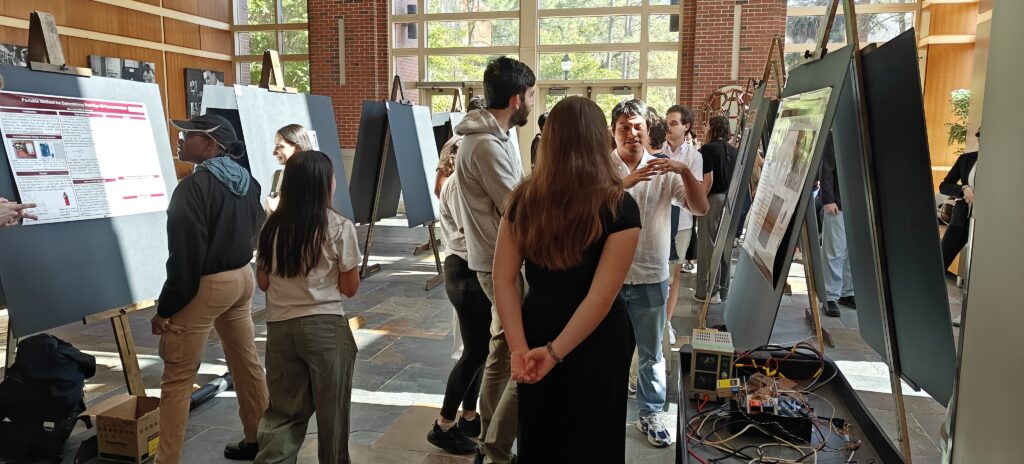
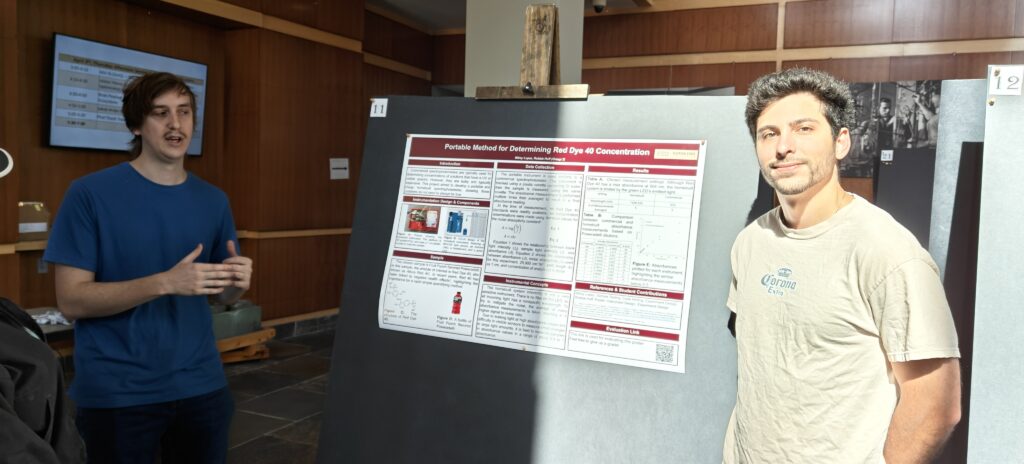
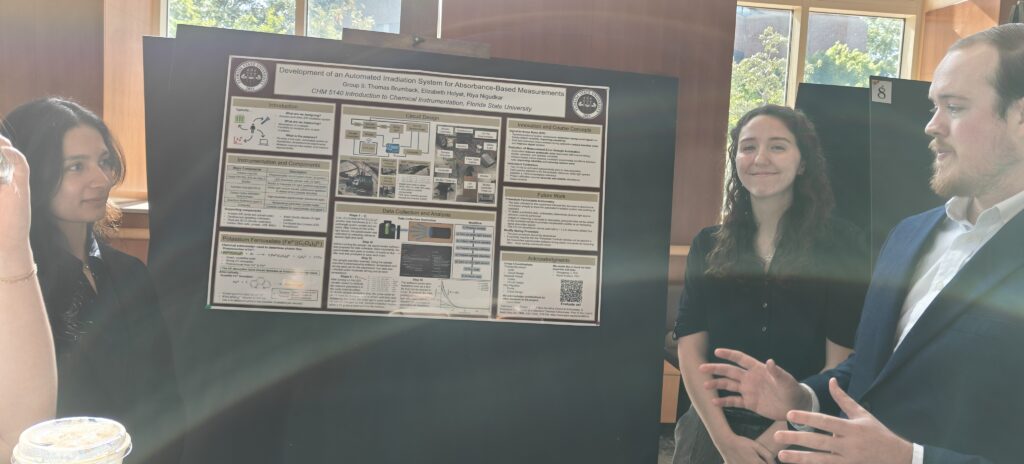
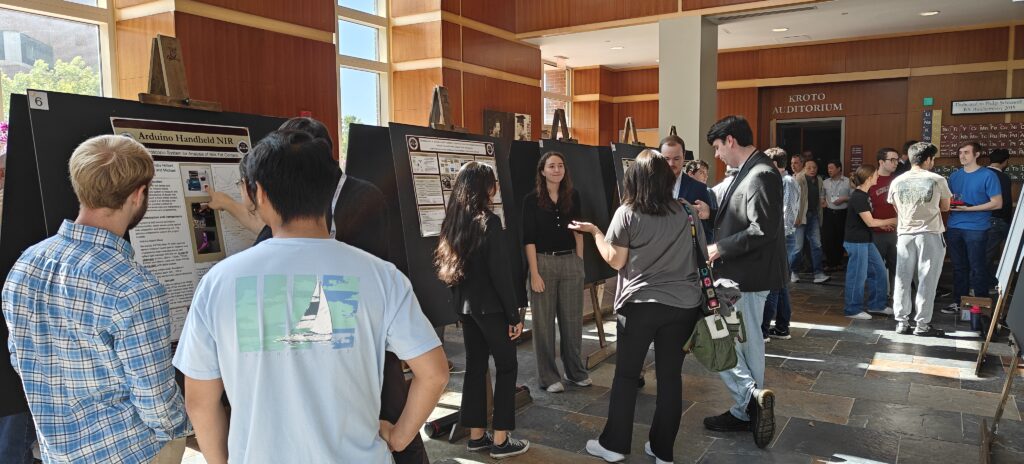
This course covers the principles, design, operation, and applications of modern chemical instrumentation across analytical chemistry, physical chemistry, biochemistry, biology, and environmental science. Graduate students will learn the theoretical foundations of measurement techniques, the functions of key instrument components, and methods for interpreting data. Topics include measurement fundamentals, atomic spectroscopy, molecular spectroscopy, separation methods, and advanced instrumentation such as microfluidics and genetic sequencing. The course will also incorporate critical discussions of recent literature in chemical instrumentation to highlight current trends and innovations, as well as project-based learning through hands-on instrument design using Arduino platforms or mobile phones. By the end of this course, students will understand how modern chemical instruments are designed, built, and operated, and how their components work together to produce analytical data. This knowledge will enable students to evaluate the strengths and limitations of different techniques and make informed choices in laboratory and research applications.
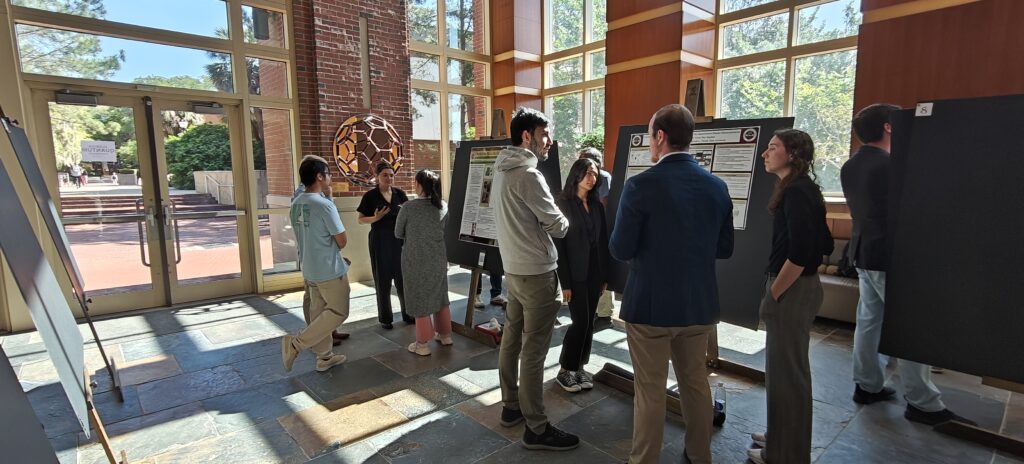
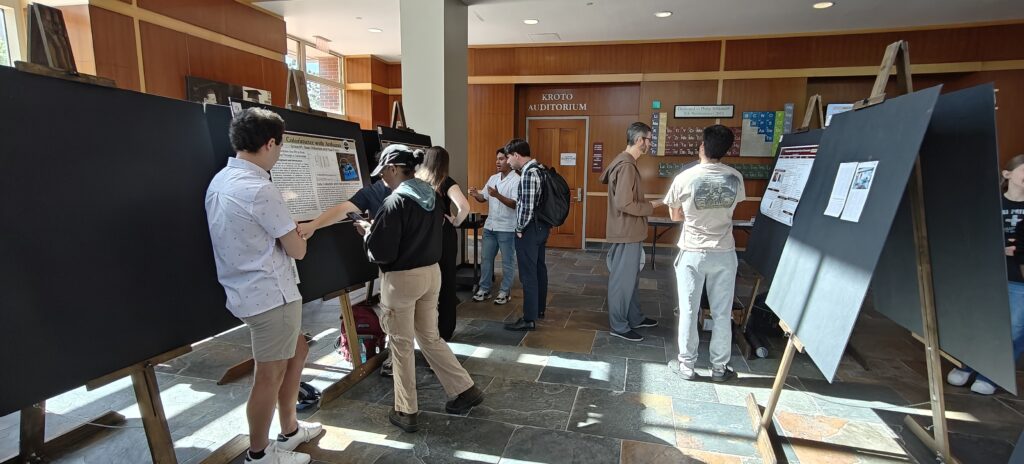
CHM 5140 Post presentation (Spring 2026)